
Yogyakarta Guide
T
Yogyakarta — often affectionately called Jogja — is the cultural soul of Java. It’s where ancient temples rise from misty plains, traditional arts still thrive in everyday life, and hospitality feels like an art form. A city shaped by royal heritage and youthful creativity, Yogyakarta offers a perfect balance between history, spirituality, and modern energy.
A Glimpse into History
Yogyakarta’s roots stretch back to the powerful Mataram Kingdom, whose legacy lives on in the magnificent temples of Borobudur and Prambanan. The city itself became a royal capital in the 18th century under Sultan Hamengkubuwono I, and the Kraton (Sultan’s Palace) remains both a cultural and political heart of the region.
Yogyakarta played a crucial role in Indonesia’s struggle for independence, serving as the nation’s temporary capital in 1946. Today, it remains a proud symbol of Javanese identity and resilience — where tradition coexists harmoniously with progress and creativity.
Top Attractions
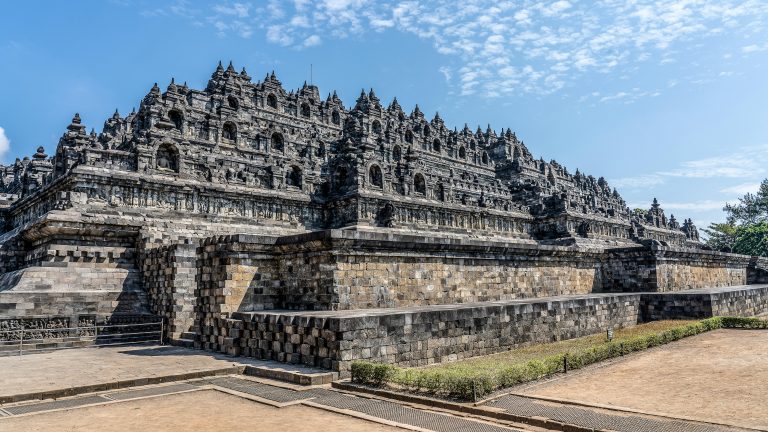
Borobudur Temple – The world’s largest Buddhist monument, Borobudur is best experienced at sunrise when golden light spills over the stupas and mist drifts between the hills. It’s a UNESCO World Heritage Site and one of Indonesia’s most sacred landmarks.
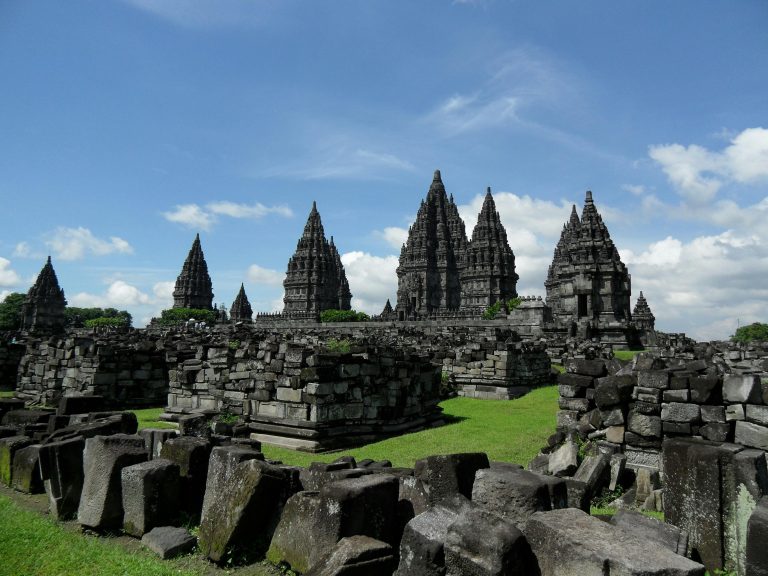
Prambanan Temple – A masterpiece of Hindu architecture dedicated to Shiva, Brahma, and Vishnu. Its towering spires and intricate carvings tell ancient epics like the Ramayana — which you can see brought to life in evening dance performances.
Kraton Yogyakarta – Step into the royal palace and discover the living legacy of Javanese culture through music, batik, wayang (shadow puppets), and court traditions.
Taman Sari Water Castle – Once the Sultan’s garden and bathing complex, this labyrinthine site mixes beauty, history, and whispers of legend.
Malioboro Street – The city’s vibrant main artery filled with street vendors, art stalls, and local snacks. Perfect for people-watching and picking up batik or handmade souvenirs.
Mount Merapi – One of Indonesia’s most active volcanoes and a symbol of both danger and devotion. You can join a sunrise jeep tour to explore the lava fields and nearby villages.
Kotagede – Once the seat of the old Mataram Kingdom, Kotagede is now known for its silver workshops and traditional Javanese houses.
Local Art Spaces – Explore contemporary Yogyakarta at places like Taman Budaya, OHD Museum, or Apel Watoe Gallery, where modern artists reinterpret tradition with bold creativity.
Cultural Highlights
- Batik & Craftsmanship: Yogyakarta is the heart of Indonesia’s batik tradition — don’t miss learning the wax-resist technique firsthand in local workshops.
- Wayang Kulit: The art of shadow puppetry is a deep reflection of Javanese philosophy and storytelling — performances are often accompanied by live gamelan music.
- Cuisine: Try gudeg (sweet jackfruit stew), bakpia pathok pastries, and wedang uwuh, a fragrant herbal drink.
Fun Facts
🕍 Twin Heritage: Borobudur and Prambanan reflect two great civilizations — Buddhist and Hindu — that flourished side by side.
👑 Living Monarchy: Yogyakarta is Indonesia’s only region still ruled by a Sultan, blending governance and tradition.
🎨 City of Art: With dozens of art schools and creative collectives, Yogyakarta is known as Indonesia’s art capital.
🌋 Sacred Volcano: Locals believe Mount Merapi connects the spiritual realms of the sea, the palace, and the heavens.
🦜 Language of Elegance: Traditional Javanese speech has multiple levels of politeness — a reflection of respect deeply rooted in the culture.
Practical Info
- Dry Season (May–October): Best for sightseeing and temple visits with clear skies and comfortable temperatures.
- Wet Season (November–April): Fewer tourists and lush landscapes — just bring a raincoat for sudden showers.
- Special Events: Plan around Sekaten Festival, Yogya Arts Festival, or Waisak Day at Borobudur for a truly immersive experience.
- Getting Around: Becaks, motorbike taxis, or hired cars for day trips.
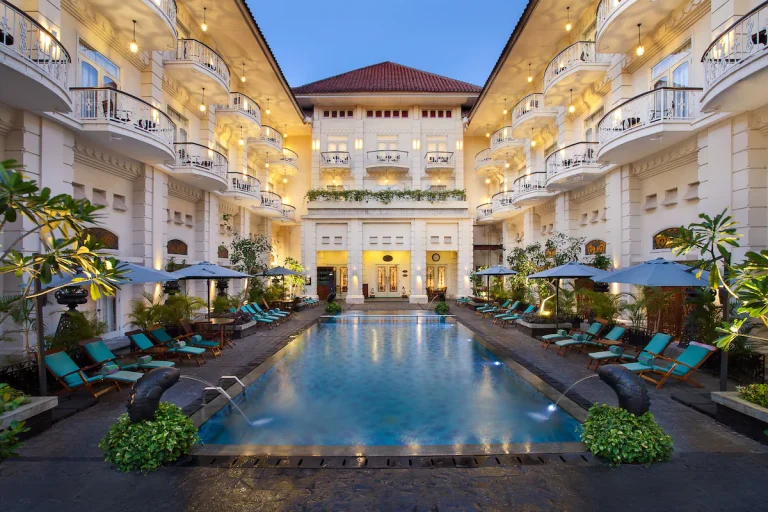
- Where to Stay: Malioboro for central energy, Prawirotaman for boutique cafés, or near Borobudur for serenity.
- Etiquette: Dress modestly at temples, greet politely, and ask before photographing people.
Responsible Travel
Support local artisans by buying authentic handwoven batik or silver jewelry directly from workshops. Choose eco-conscious accommodations near Borobudur or in the countryside, and respect cultural etiquette — remove your shoes at temples, dress modestly, and greet locals with a warm smile or gentle nod.
Yogyakarta is also a great base for slow travel — take your time exploring nearby temples, small villages, and scenic rice terraces by bicycle or scooter.
Read more about travel in Yogyakarta
- 1
- 2